Vitest Tutorial Fast Unit Testing for Vite Projects 2026
Introduction
Testing is a critical part of modern software development, and if you're working with Vite-based projects, Vitest is one of the fastest and most developer-friendly testing tools available today. In this vitest tutorial: fast unit testing for vite projects 2026, you’ll learn how to write, run, and optimize tests using Vitest in real-world scenarios.
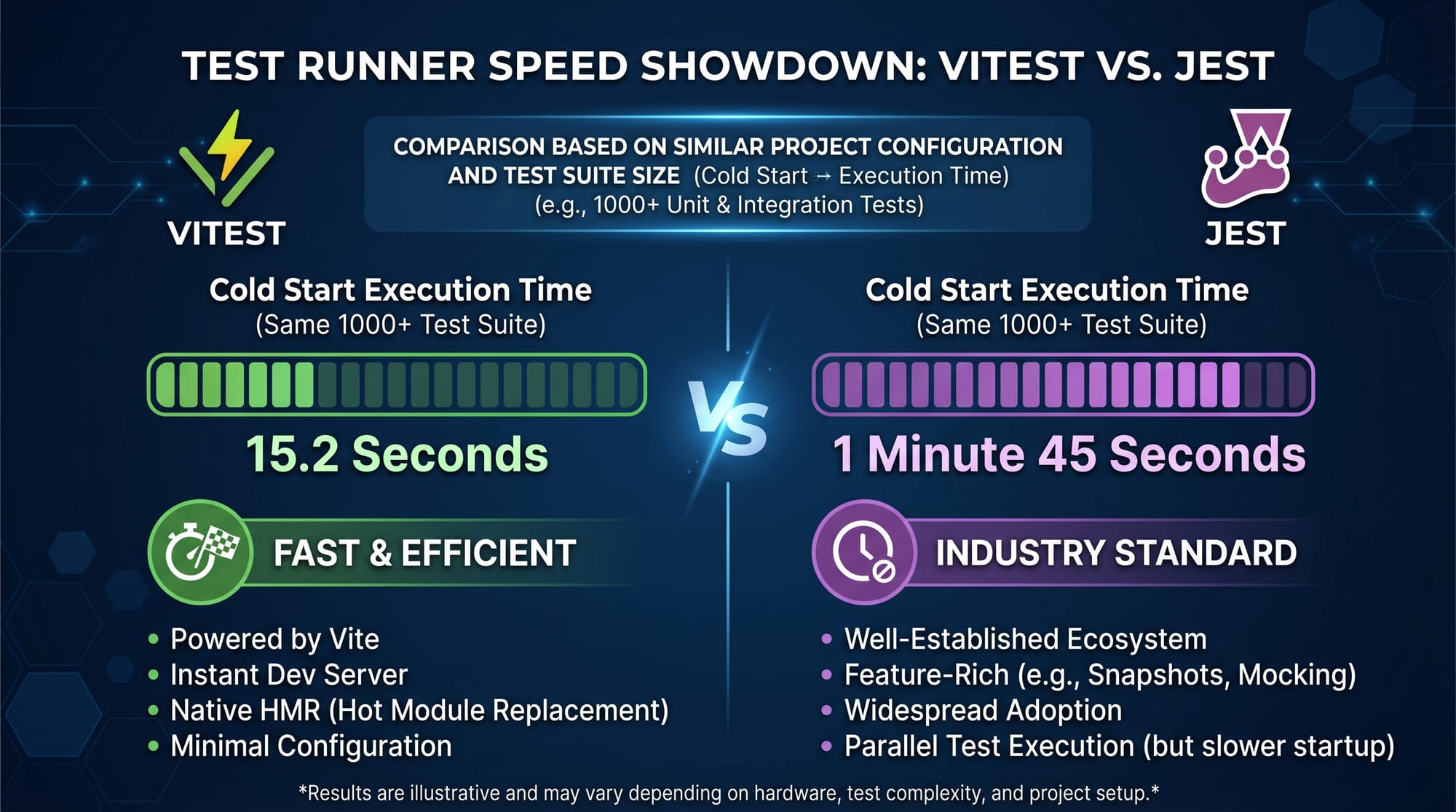
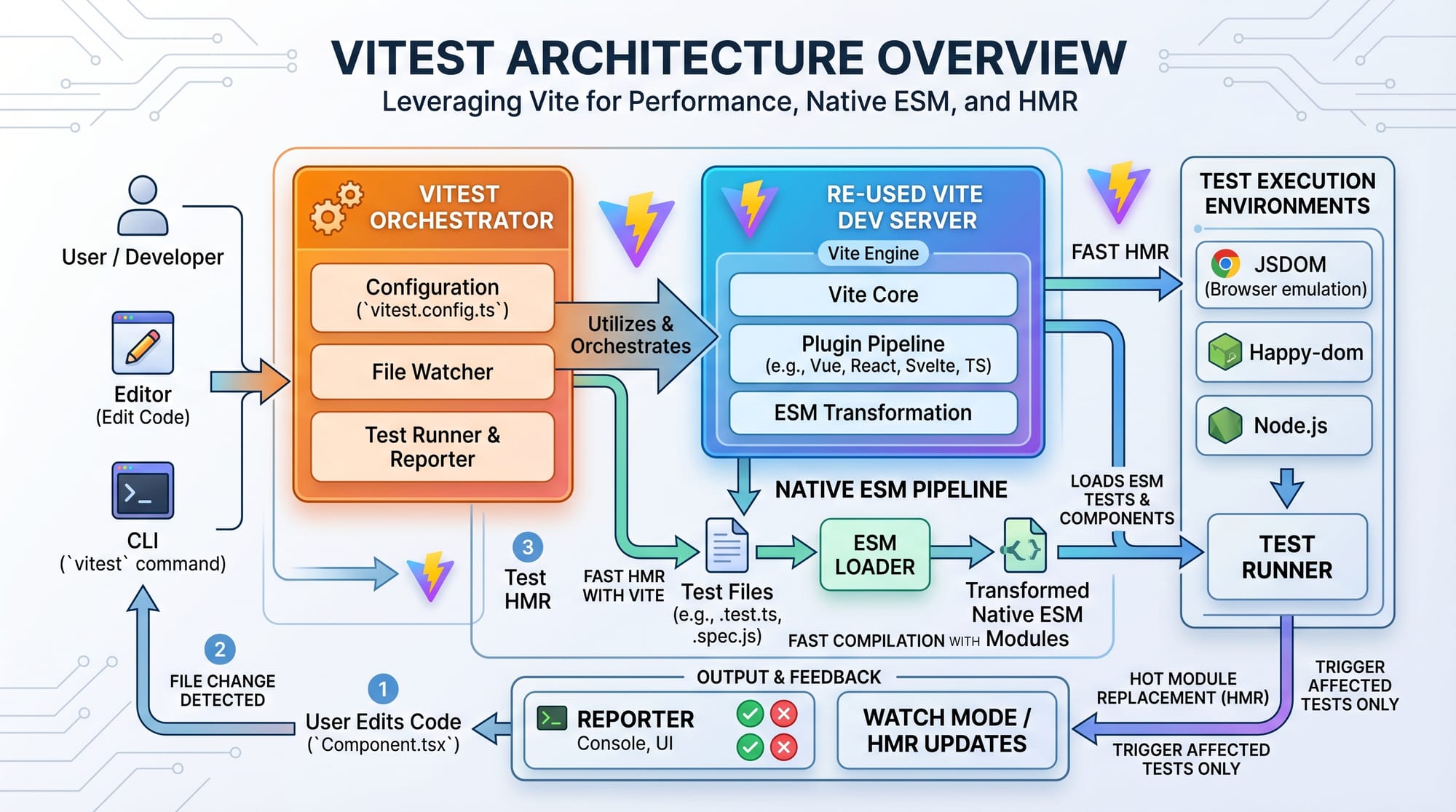
Vitest is designed specifically for Vite projects, meaning it integrates seamlessly with modern frontend stacks like React, Vue, and even vanilla JavaScript apps. Unlike traditional testing frameworks, Vitest leverages Vite’s blazing-fast dev server and native ES modules (ESM), making test execution incredibly fast.
For Pakistani students in cities like Lahore, Karachi, and Islamabad, learning Vitest is especially valuable because many modern startups and tech companies are adopting Vite-based workflows. Understanding testing tools like Vitest can give you a competitive edge in internships and freelance projects.
Prerequisites
Before starting this tutorial, you should have:
- Basic knowledge of JavaScript (ES6+)
- Understanding of Node.js and npm
- Familiarity with Vite (basic project setup)
- Some idea of unit testing concepts
- Experience with frameworks like React or Vue (optional but helpful)
Core Concepts & Explanation
Test Structure: describe, it, and expect
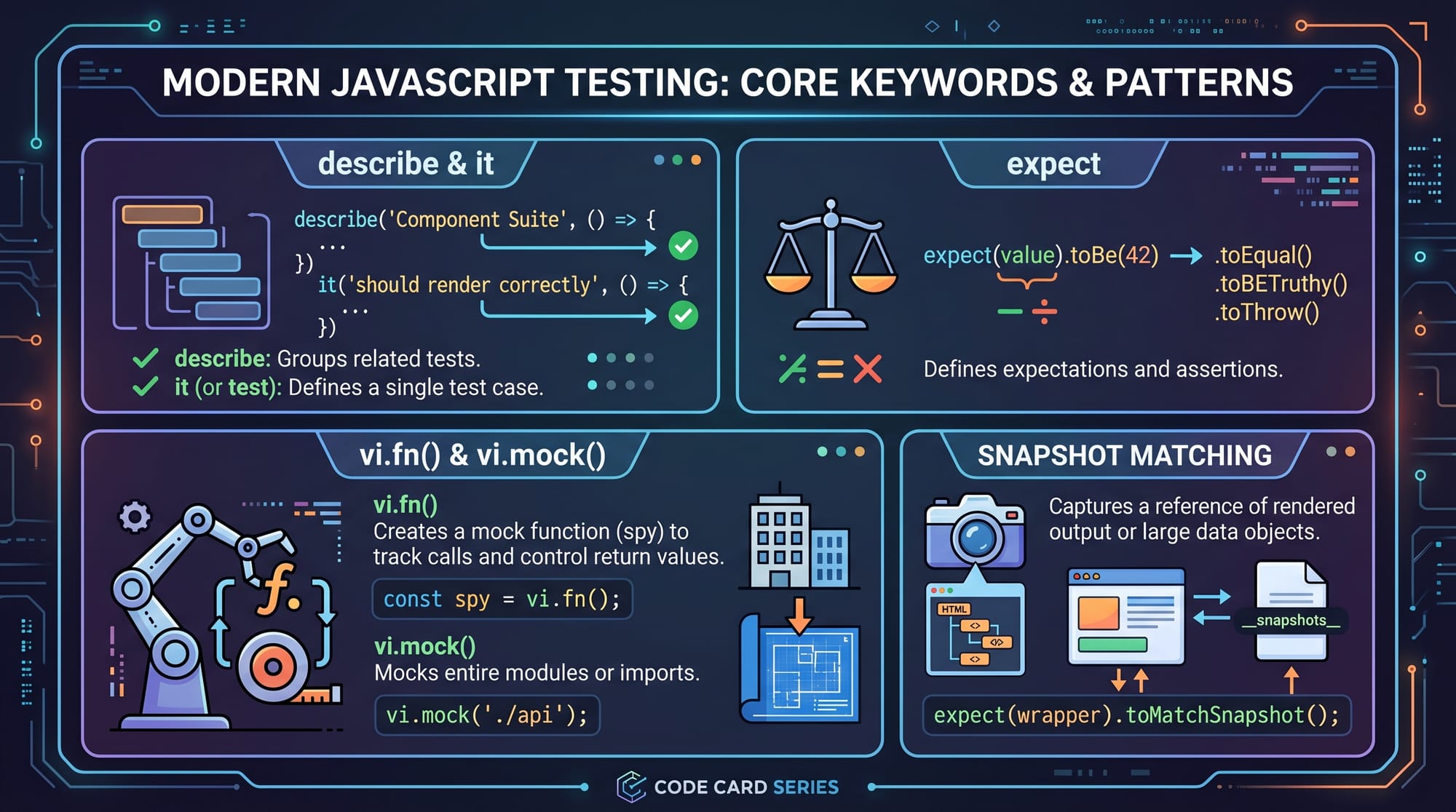
Vitest uses a simple and intuitive syntax for writing tests. The core building blocks are:
describe()→ Groups related testsit()ortest()→ Defines a single test caseexpect()→ Makes assertions
Example:
import { describe, it, expect } from 'vitest';

describe('Math operations', () => {
  it('should add two numbers correctly', () => {
    expect(2 + 3).toBe(5);
  });
});
Explanation line-by-line:
import { describe, it, expect } from 'vitest';
→ Imports testing functions from Vitest.describe('Math operations', () => { ... })
→ Groups related tests under one suite.it('should add two numbers correctly', () => { ... })
→ Defines a single test case.expect(2 + 3).toBe(5);
→ Checks if the result is exactly 5.
Mocking and Spying with vi.fn() and vi.mock()
Mocking allows you to simulate functions or modules during testing.
Example:
import { it, expect, vi } from 'vitest';

it('should call the function', () => {
  const mockFn = vi.fn();

  mockFn();

  expect(mockFn).toHaveBeenCalled();
});
Explanation line-by-line:
vi.fn()
→ Creates a mock function.mockFn();
→ Calls the mock function.expect(mockFn).toHaveBeenCalled();
→ Verifies that the function was called.
Mocking is very useful in real-world apps, for example when testing API calls in a Pakistani e-commerce app where you don’t want to hit a real server every time.
Practical Code Examples
Example 1: Testing a Utility Function
Let’s test a simple function used in a Pakistani billing app that calculates total price in PKR.
// utils.js
export function calculateTotal(price, tax) {
  return price + tax;
}
// utils.test.js
import { describe, it, expect } from 'vitest';
import { calculateTotal } from './utils';

describe('calculateTotal', () => {
  it('should return correct total in PKR', () => {
    const result = calculateTotal(1000, 150);

    expect(result).toBe(1150);
  });
});
Explanation line-by-line:
export function calculateTotal(price, tax)
→ Defines a function to calculate total cost.import { calculateTotal } from './utils';
→ Imports the function to test.const result = calculateTotal(1000, 150);
→ Calls the function with sample values (PKR example).expect(result).toBe(1150);
→ Verifies correct output.
Example 2: Real-World Application (API Mocking)
Imagine Ali is building a student portal in Islamabad that fetches user data.
// api.js
export async function fetchUser() {
  const response = await fetch('/api/user');
  return response.json();
}
// api.test.js
import { it, expect, vi } from 'vitest';
import { fetchUser } from './api';

it('should fetch user data', async () => {
  global.fetch = vi.fn(() =>
    Promise.resolve({
      json: () => Promise.resolve({ name: 'Ali' })
    })
  );

  const data = await fetchUser();

  expect(data.name).toBe('Ali');
});
Explanation line-by-line:
global.fetch = vi.fn(...)
→ Mocks the fetch API.Promise.resolve({...})
→ Simulates a successful API response.json: () => Promise.resolve({ name: 'Ali' })
→ Returns fake user data.const data = await fetchUser();
→ Calls the function.expect(data.name).toBe('Ali');
→ Verifies returned data.
Common Mistakes & How to Avoid Them
Mistake 1: Not Configuring Vitest Properly
Many beginners forget to configure Vitest in vite.config.js.
Fix:
// vite.config.js
import { defineConfig } from 'vite';

export default defineConfig({
  test: {
    globals: true,
    environment: 'jsdom'
  }
});
Explanation:
globals: true→ Enables global test functionsenvironment: 'jsdom'→ Required for DOM testing
Mistake 2: Mixing Jest and Vitest Syntax
Some students confuse Vitest with Jest.
Wrong:
jest.fn();
Correct:
vi.fn();
Explanation:
- Vitest uses
vi, notjest - Although similar, they are not identical
Practice Exercises
Exercise 1: Test a Discount Function
Problem:
Write a test for a function that applies a 10% discount.
export function applyDiscount(price) {
  return price * 0.9;
}
Solution:
import { it, expect } from 'vitest';
import { applyDiscount } from './discount';

it('should apply 10% discount', () => {
  const result = applyDiscount(1000);

  expect(result).toBe(900);
});
Exercise 2: Mock API for Student Data
Problem:
Test a function that fetches student data.
Solution:
import { it, expect, vi } from 'vitest';

it('should return student name Fatima', async () => {
  global.fetch = vi.fn(() =>
    Promise.resolve({
      json: () => Promise.resolve({ name: 'Fatima' })
    })
  );

  const res = await fetch('/api/student').then(r => r.json());

  expect(res.name).toBe('Fatima');
});
Frequently Asked Questions
What is Vitest and why is it popular in 2026?
Vitest is a fast unit testing framework built for Vite projects. It is popular because it uses native ES modules and Vite’s dev server, making tests extremely fast compared to traditional tools.
How does Vitest compare to Jest?
In the vitest vs jest comparison, Vitest is faster and more modern, while Jest has a larger ecosystem. Vitest is ideal for Vite projects, whereas Jest works well for older setups.
How do I run tests in Vitest?
You can run tests using the command npx vitest. It also supports watch mode, which automatically re-runs tests when files change.
Can I use Vitest for frontend frameworks like React?
Yes, Vitest works seamlessly with React, Vue, and other frameworks. It supports DOM testing using jsdom.
Is Vitest good for beginners in Pakistan?
Yes, Vitest is beginner-friendly and widely used in modern development. Learning it can help Pakistani students land internships and freelance projects.
Summary & Key Takeaways
- Vitest is a fast and modern testing framework built for Vite
- It uses native ES modules and Vite’s dev server for speed
- Core functions include
describe,it,expect, andvi - Mocking with
vi.fn()is essential for real-world testing - Avoid mixing Jest syntax with Vitest
- Vitest is highly relevant for modern vite testing 2026 workflows
Next Steps & Related Tutorials
To continue your learning journey on theiqra.edu.pk, explore these tutorials:
- Learn fundamentals in our Jest Tutorial for Beginners
- Build fast apps with our Complete Vite Tutorial 2026
- Master APIs in JavaScript Fetch API Guide
- Improve code quality with JavaScript Error Handling Tutorial
These resources will help you strengthen your testing and development skills step-by-step.
Test Your Python Knowledge!
Finished reading? Take a quick quiz to see how much you've learned from this tutorial.