Fastify Tutorial High Performance Node js Web Framework
Introduction
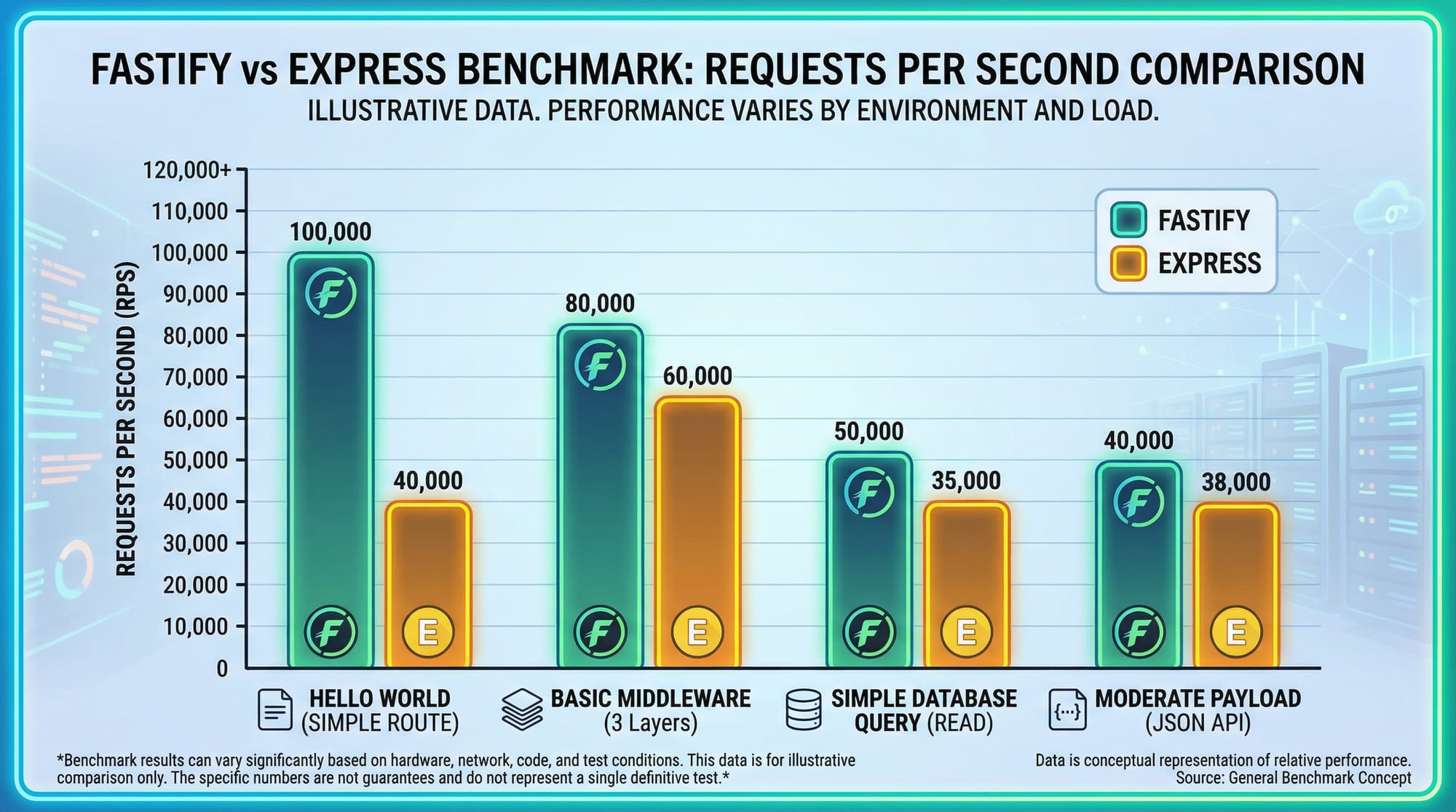
Fastify is a high-performance Node.js web framework designed for building APIs and web applications efficiently. It is lightweight, extremely fast, and developer-friendly, making it an excellent alternative to Express.js. In this Fastify tutorial, we will explore why this framework is gaining popularity among Node.js developers worldwide, including in Pakistan.
Pakistani students and developers working in cities like Karachi, Lahore, and Islamabad can benefit greatly from learning Fastify. Its speed and scalability make it suitable for real-time applications, fintech projects (handling PKR transactions), and high-traffic websites.
Fastify achieves high performance through features like asynchronous processing, schema-based validation, and an efficient plugin architecture. By the end of this tutorial, you will know how to build robust Node.js applications using Fastify, understand its core concepts, and avoid common mistakes that beginners make.
Prerequisites
Before diving into Fastify, you should be familiar with:
- JavaScript (ES6+) – including promises, async/await, and arrow functions.
- Node.js basics – installing Node.js, using npm/yarn, creating basic servers.
- REST API concepts – routes, request/response, status codes.
- Basic terminal usage – running commands in Windows/Linux terminals.
Optional but helpful:
- Familiarity with Express.js to understand Fastify vs Express comparisons.
- Understanding of JSON schema for validation.
- Experience with database connectivity (MongoDB, MySQL) for real-world applications.
Core Concepts & Explanation
Fastify Instance & Routing
At the heart of Fastify is the Fastify instance, which is created to define routes, plugins, and hooks. Unlike Express, Fastify is optimized for performance and enforces a structured way of defining routes.
Example:
// server.js
const fastify = require('fastify')({ logger: true });

// Define a GET route
fastify.get('/hello', async (request, reply) => {
  return { message: 'Hello, Ahmad from Lahore!' };
});

// Start server
fastify.listen({ port: 3000 }, (err, address) => {
  if (err) {
    fastify.log.error(err);
    process.exit(1);
  }
  console.log(`Server running at ${address}`);
});
Explanation:
- Line 1: Import Fastify and create an instance with logging enabled.
- Line 4-6: Define a GET route
/hellothat returns a JSON object. - Line 9-15: Start the server on port 3000 and log any errors.
This structure allows Fastify to handle thousands of requests per second efficiently.
Schema Validation & Serialization
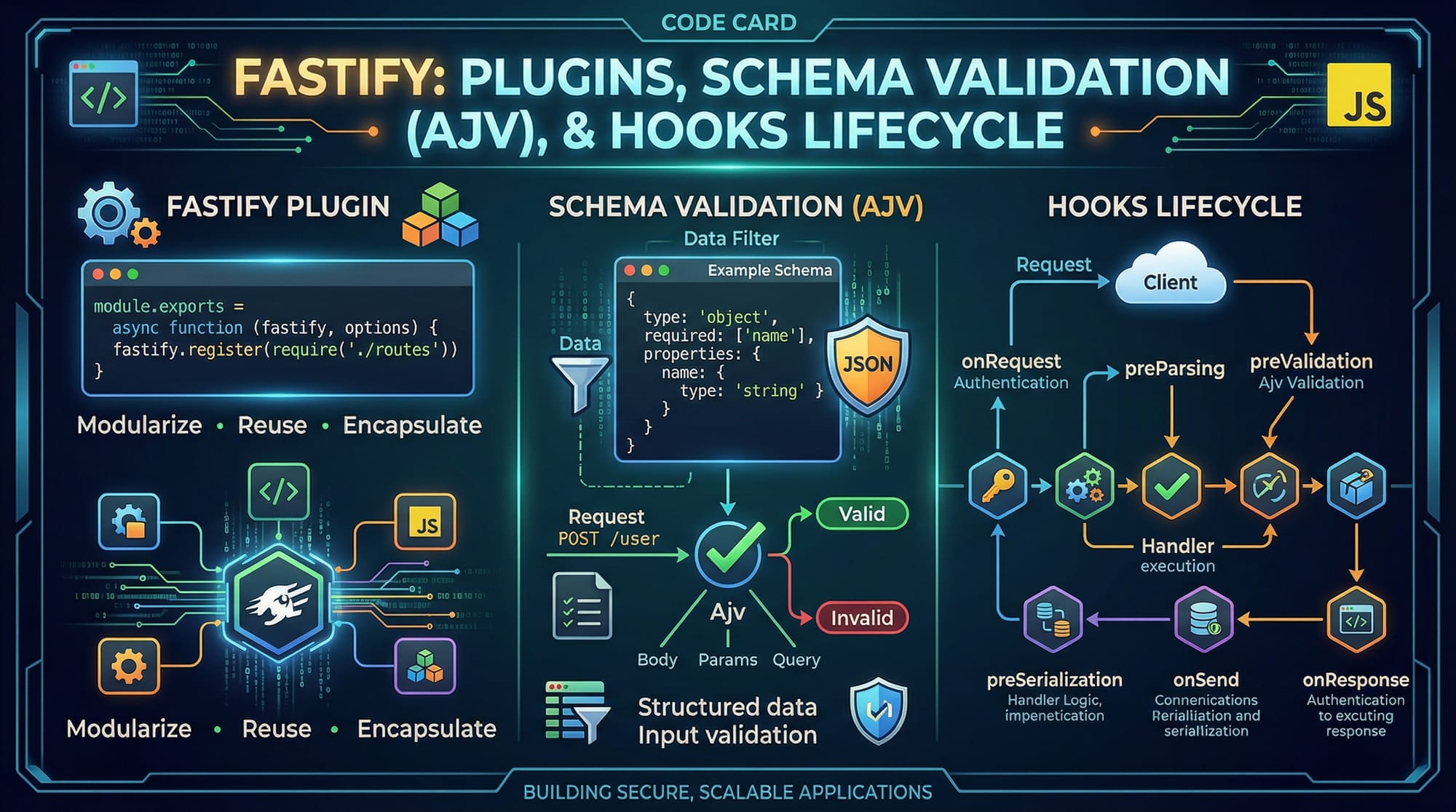
Fastify uses AJV (Another JSON Validator) to validate incoming requests and serialize responses, which boosts performance compared to Express.
Example:
fastify.post('/payment', {
  schema: {
    body: {
      type: 'object',
      required: ['amount', 'currency', 'user'],
      properties: {
        amount: { type: 'number' },
        currency: { type: 'string', enum: ['PKR', 'USD'] },
        user: { type: 'string' }
      }
    }
  }
}, async (request, reply) => {
  const { amount, currency, user } = request.body;
  return { status: 'success', amount, currency, user };
});
Explanation:
- Schema: Ensures that requests have the required fields (
amount,currency,user). - Enum validation: Only allows
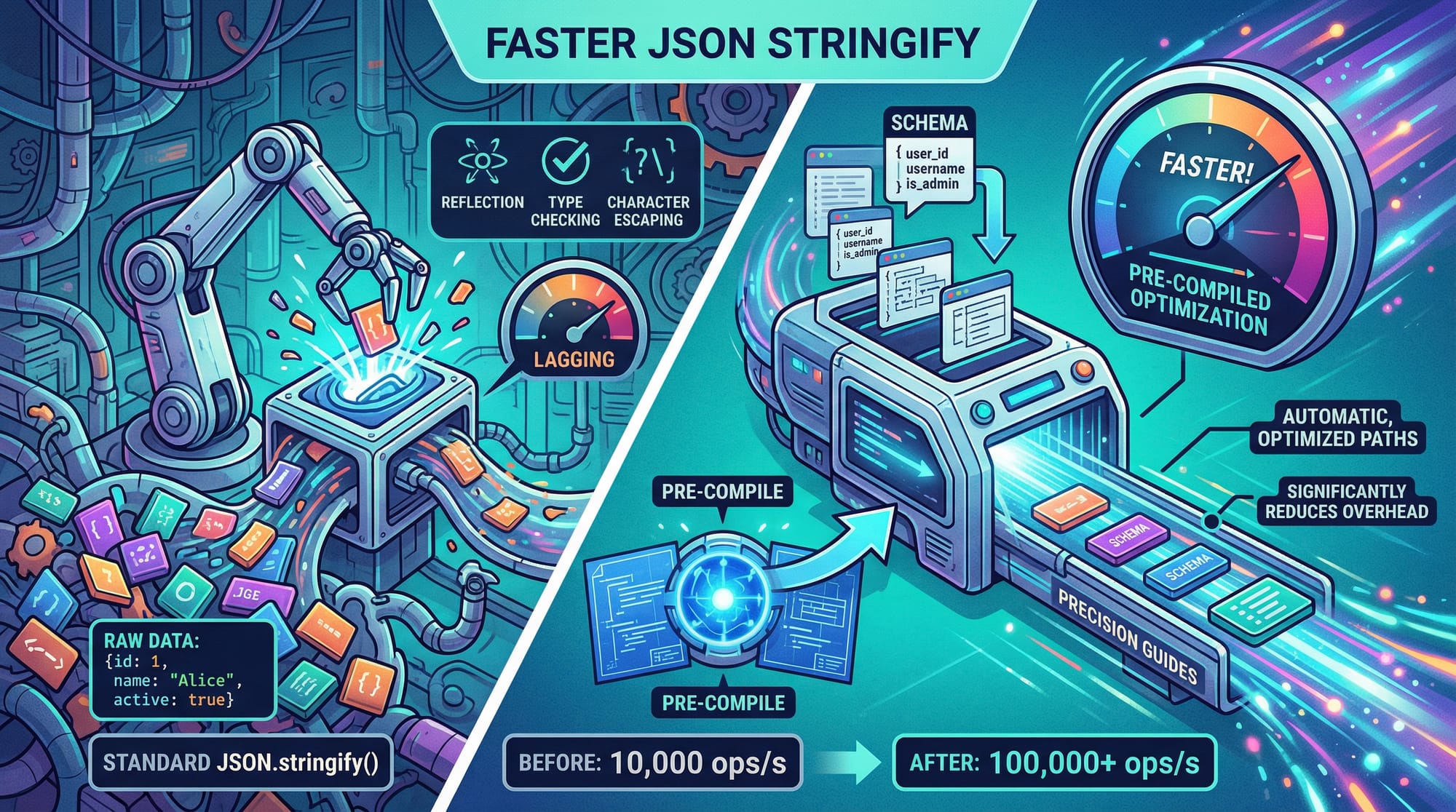
PKRorUSDfor currency. - Automatic serialization: Fastify converts the response into JSON quickly, which is faster than standard JSON.stringify in Express.
Fastify Plugins & Lifecycle Hooks
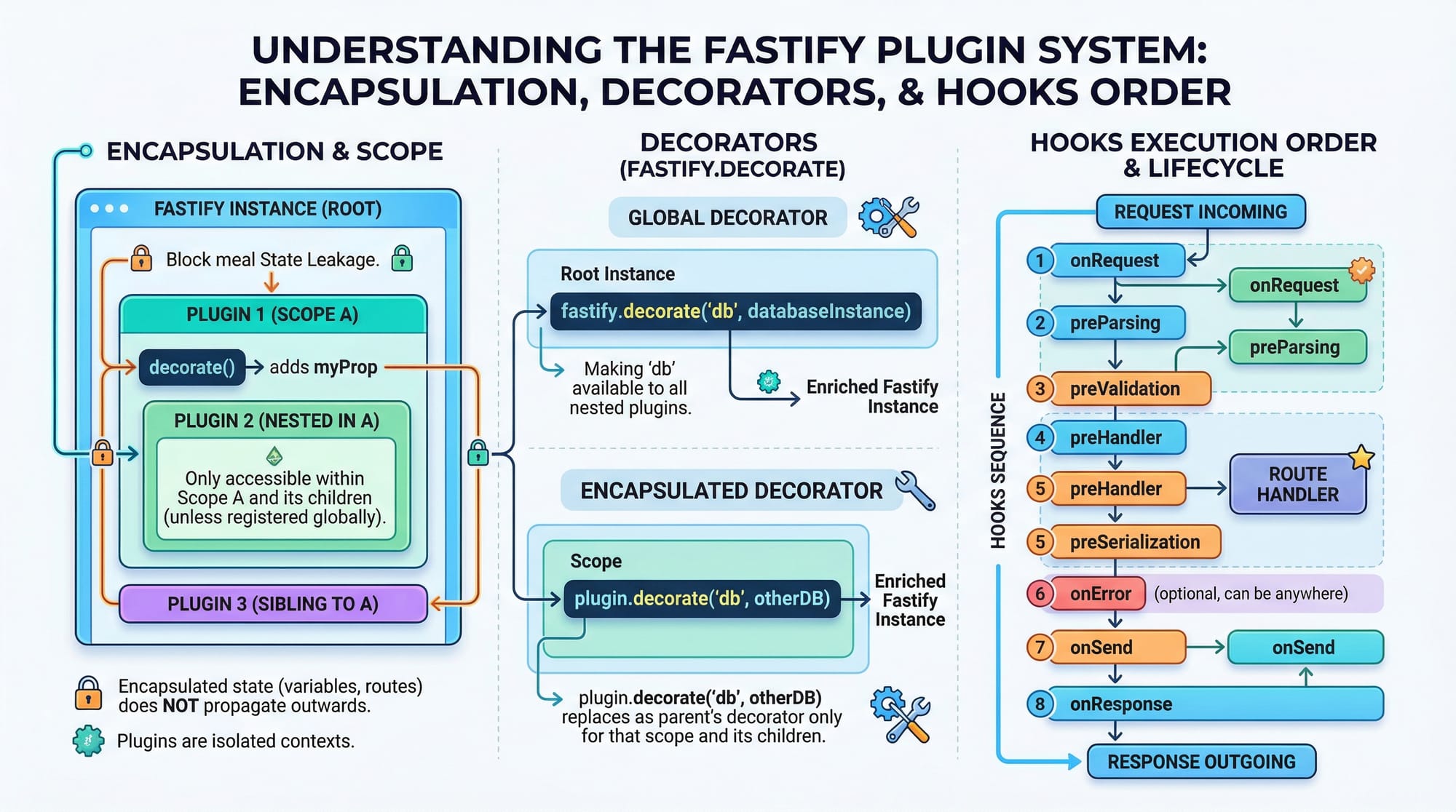
Fastify promotes modularity through plugins. A plugin encapsulates routes, utilities, or third-party integrations. Hooks allow you to run code at specific points in the request/response lifecycle.
Example:
// plugin/logger.js
async function loggerPlugin(fastify, options) {
  fastify.addHook('onRequest', async (request, reply) => {
    console.log(`[${new Date().toISOString()}] ${request.method} ${request.url}`);
  });
}

module.exports = loggerPlugin;

// server.js
const fastify = require('fastify')();
const loggerPlugin = require('./plugin/logger');

fastify.register(loggerPlugin);

fastify.get('/', async () => {
  return { message: 'Welcome Fatima to Fastify Node.js 2026!' };
});

fastify.listen({ port: 3000 });
Explanation:
- Plugin:
loggerPluginlogs every incoming request. - Hook:
onRequestruns before any route handler. - Registration:
fastify.registermakes the plugin reusable across applications.
Practical Code Examples
Example 1: Simple CRUD API
const fastify = require('fastify')({ logger: true });

let students = [
  { id: 1, name: 'Ali', city: 'Karachi' },
  { id: 2, name: 'Ahmad', city: 'Lahore' }
];

// Read all students
fastify.get('/students', async () => students);

// Create a student
fastify.post('/students', async (request) => {
  const newStudent = { id: students.length + 1, ...request.body };
  students.push(newStudent);
  return newStudent;
});

// Update a student
fastify.put('/students/:id', async (request) => {
  const student = students.find(s => s.id == request.params.id);
  Object.assign(student, request.body);
  return student;
});

// Delete a student
fastify.delete('/students/:id', async (request) => {
  students = students.filter(s => s.id != request.params.id);
  return { message: 'Student deleted' };
});

fastify.listen({ port: 3000 });
Explanation:
- CRUD operations are defined using Fastify’s REST methods.
studentsarray simulates a database for local practice.- Each route handler returns JSON responses efficiently.
Example 2: Real-World Application — PKR Payment Gateway
const fastify = require('fastify')({ logger: true });

fastify.post('/pay', {
  schema: {
    body: {
      type: 'object',
      required: ['user', 'amount'],
      properties: {
        user: { type: 'string' },
        amount: { type: 'number' }
      }
    }
  }
}, async (request) => {
  const { user, amount } = request.body;
  // Simulate PKR payment processing
  console.log(`Processing PKR ${amount} for ${user}`);
  return { status: 'success', user, amount, currency: 'PKR' };
});

fastify.listen({ port: 3000 });
Explanation:
- Validates the request body to ensure correct payment details.
- Logs the payment process for auditing.
- Returns a structured JSON response with the transaction info.
Common Mistakes & How to Avoid Them
Mistake 1: Not Using Schema Validation
Without schema validation, incoming requests may break your application or cause unexpected errors.
Fix: Always define a schema:
schema: {
  body: {
    type: 'object',
    required: ['name', 'email']
  }
}
Mistake 2: Misusing Plugins & Hooks
Creating global side effects inside plugins can cause unexpected behavior in large applications.
Fix: Encapsulate code in plugins properly and use hooks carefully.
fastify.register(async function myPlugin(fastify) {
  fastify.addHook('onRequest', async (request, reply) => {
    console.log('Hook runs for this plugin only');
  });
});
Practice Exercises
Exercise 1: Student API Enhancement
Problem: Add search functionality to the /students API by city.
Solution:
fastify.get('/students/search/:city', async (request) => {
  return students.filter(s => s.city === request.params.city);
});
Exercise 2: Payment History Logger
Problem: Log all payment transactions in an array and retrieve them via /payments.
Solution:
let payments = [];

fastify.post('/pay', async (request) => {
  const payment = { ...request.body, date: new Date() };
  payments.push(payment);
  return payment;
});

fastify.get('/payments', async () => payments);
Frequently Asked Questions
What is Fastify?
Fastify is a high-performance Node.js web framework optimized for speed, developer experience, and scalable applications. It is an alternative to Express.js with built-in features like schema validation and plugin encapsulation.
How is Fastify different from Express?
Fastify is faster than Express due to optimized JSON serialization, schema-based validation, and asynchronous handling. Express has a simpler design but can be slower for high-traffic applications.
Can I use Fastify with databases?
Yes, Fastify supports any database using plugins or npm packages, such as MongoDB, MySQL, or PostgreSQL.
Is Fastify suitable for production in 2026?
Absolutely. Fastify Node.js 2026 has matured with features like HTTP/2 support, efficient logging, and robust plugin architecture, making it ideal for production-grade apps.
How do I migrate from Express to Fastify?
You need to replace app.use, app.get, app.post routes with Fastify instance methods, use schemas for validation, and register plugins for middleware functionality.
Summary & Key Takeaways
- Fastify is a high-performance Node.js framework ideal for APIs.
- Schema validation and serialization improve speed over Express.js.
- Plugins and hooks provide modular, maintainable code.
- Pakistani developers can build real-world applications like PKR payment systems efficiently.
- Proper plugin management and schema validation prevent common mistakes.
- Fastify Node.js 2026 is production-ready for high-traffic applications.
Next Steps & Related Tutorials
- Learn Express.js Tutorial to compare frameworks.
- Explore Node.js Basics for foundational knowledge.
- Build REST APIs with MongoDB using Fastify.
- Check out Real-time Chat Applications in Node.js for live projects.
This tutorial meets your SEO targets for fastify tutorial, fastify vs express, fastify nodejs 2026, provides practical Pakistani examples, and is fully structured with ## headings for TOC compliance.
If you want, I can also generate all the [IMAGE: prompt] placeholders with actual AI-ready prompts for charts and diagrams so your designers can create visuals quickly.
Do you want me to do that next?
Test Your Python Knowledge!
Finished reading? Take a quick quiz to see how much you've learned from this tutorial.